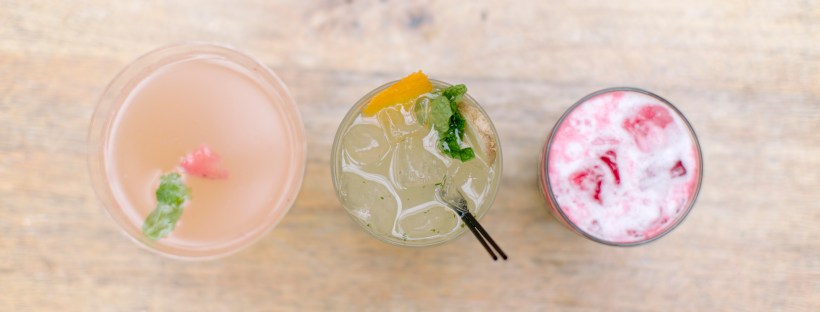
As the new year unfolds, many people embrace a fresh start by participating in “Dry January,” an initiative that encourages a month-long break from alcohol. This journey toward improved health and mindfulness can be exciting, but it’s not for everyone. So if you’re down to explore the facets of Dry January, why I choose not to participate, and how I support those who do, keep reading.
WHY I DIDN’T PARTICIPATE IN DRY JANUARY
For some, the idea of abstaining from alcohol seems restrictive and can trigger stress. Personally, I find that setting strict limitations can heighten my anxiety and encourages me to binge after the dry spell ends, making it counterproductive to my wellness goals. Ironically, now, there are times when I go weeks without alcohol without even realizing it. This unconscious choice aligns more naturally with my lifestyle, allowing me to enjoy the benefits of reduced alcohol consumption without the pressure of a set challenge.
SUPPORTING THOSE WHO CHOOSE GO “DRY”
While a structured month-long break may not resonate with everyone, I fully support those who embark on this path. There’s no doubt that dry January offers numerous benefits, including improved mental clarity, better sleep, reduced inflammation, and a chance to reassess our relationship with alcohol. A lot of people I speak with also say that dry January offers them empowerment and a sense of accomplishment, and I am here for that!
DISCOVER DELICIOUS MOCKTAILS
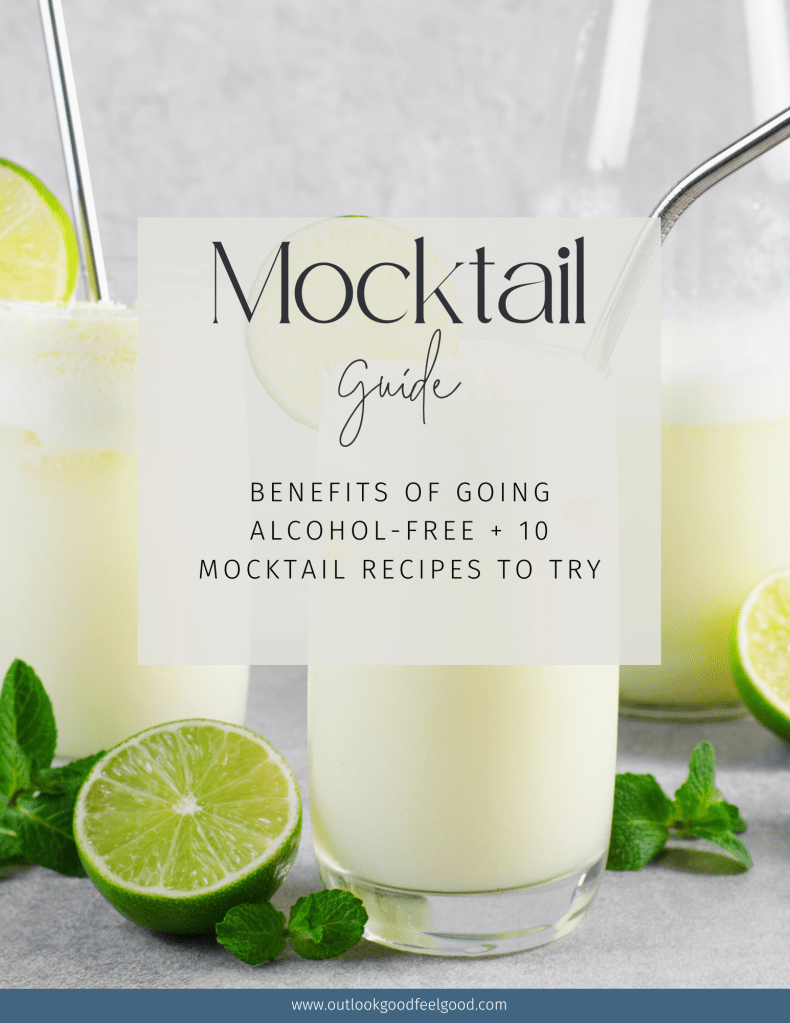
If you want to elevate your gatherings by offering a festive drink that isn’t LaCroix (no shade bc I love LaCroix!), check out my mocktail recipe book. Perfect for the sober-curious or anyone seeking non-alcoholic alternatives, these recipes offer refreshing flavors without the booze; they’re festive and make every moment special!
Practical Tips for Implementation
Whether you’re taking part in Dry January or simply reducing your alcohol intake, here are some practical tips to keep in mind:
- Set Clear Intentions: Understand why you want to reduce alcohol and remind yourself of these reasons.
- Find Alternatives: Explore non-alcoholic beverages like sparkling water, herbal teas, or mocktails.
- Create a Support System: Engage with friends or wellness groups for encouragement and accountability.
- Celebrate Small Wins: Acknowledge each alcohol-free day with positive reinforcement.
TO GO ALCOHOL-FREE OR NOT?
Ultimately, the choice to participate in Dry January is a personal one. Whether you choose to abstain from alcohol for a month or simply reduce your intake, the focus should remain on aligning your actions with your wellness goals. And, of course, embracing community support and wellness coaching will significantly enhance this journey, offering motivation and shared joy in each step forward.
Questions I’d Ask If Going Alcohol-Free Came Up in A 1:1 Session:
- How do you perceive your relationship with alcohol?
- Are there specific times, places, or situations where you feel most inclined to drink?
- What challenges do you foresee during Dry January?
- Are there alternative habits or activities you’d like to explore to replace the role alcohol plays in your life?
Reflecting on these questions can help you cultivate a mindful approach to alcohol consumption and wellness regardless of the time of year.
WHAT ABOUT YOU?
Have you ever considered participating in Dry January or exploring your relationship with alcohol in a different way? I’d love to hear your thoughts, experiences, or even your favorite non-alcoholic drink ideas —l et’s continue the conversation in the comments!
 Outlook Good, Feel Good